
By Ben Harris, DPT · Originally published May 23, 2023. Revised for republication October 26, 2026.
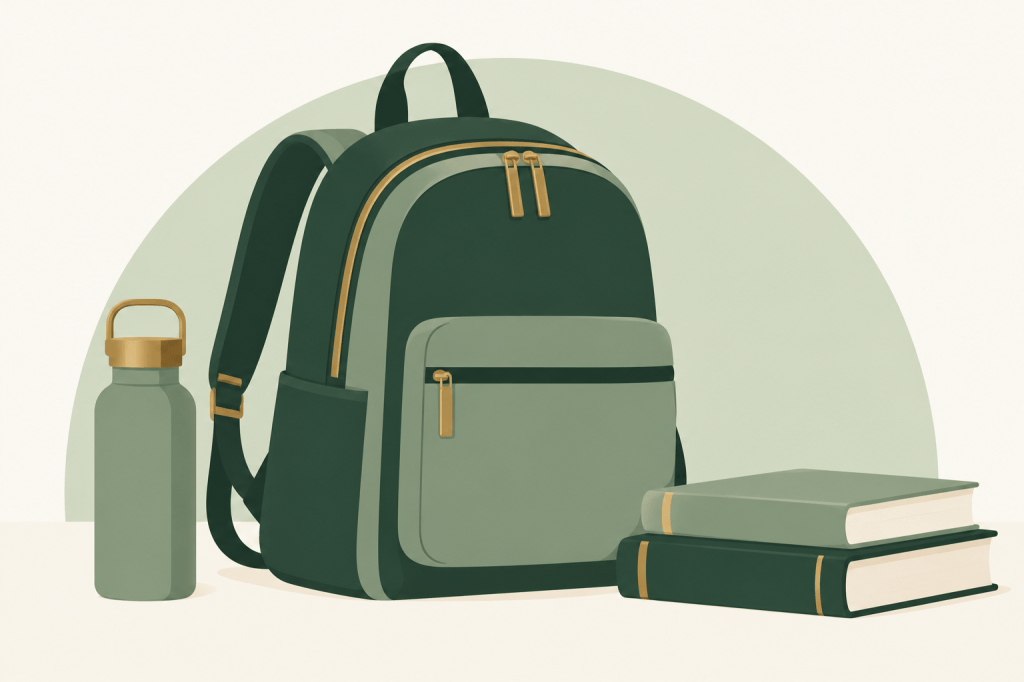
Before buying a more expensive backpack, try a simpler check: pack your child’s usual school supplies and ask them to put it on. Is it comfortable? Can they manage it without struggling? What do they say hurts?
A backpack can contribute to discomfort, but it should not become a reason for children to fear movement or worry that their spine is being damaged. Backpacks have not been shown to cause scoliosis or other long-term spinal problems.
How much should a backpack weigh?
The American Academy of Pediatrics advises keeping a loaded backpack at no more than 15% of a child’s body weight. For a 70-pound child, that is 10.5 pounds. Treat this as a practical upper guide, not a guarantee of comfort or a sharp boundary between safe and harmful.
If your child has pain, lighten the load even if it is below that number. Weigh the bag with the items actually carried to school, including a full water bottle, rather than checking the empty backpack.
Check the fit
Look for a size that suits the child, two broad adjustable straps, and a padded back. Use both straps and keep the bag close to the body. A chest strap or waist belt can help distribute the load. Pack heavier items close to the back and use compartments to keep the contents organized.
Reduce what travels back and forth
Ask the school what needs to come home each day. A second textbook, locker access, or available electronic materials may reduce the load. Check whether a rolling bag is practical and permitted before buying one.
A weekly clean-out can also help. Old worksheets, unused supplies, and extra books can add up without anyone noticing.
Listen to symptoms rather than policing posture
A child leaning forward under a bag may need a lighter load or better fit. That observation is a prompt to adjust the bag, not a diagnosis. Ask whether discomfort occurs only while carrying it and whether it settles after taking it off.
If symptoms persist, arrange an assessment rather than assuming the backpack is the only cause. Numbness, tingling, or weakness also deserves medical attention. A PT can help assess function and suggest practical changes when appropriate.
A quick school-morning check
Does everything in the bag need to go today? Are both straps adjusted comfortably? Can your child put the bag on and take it off without difficulty? Is carrying it painful?
The aim is a manageable load and a comfortable school day. You do not need an elaborate posture routine or the most expensive backpack to start making useful changes.
Sources and further reading
American Academy of Pediatrics: School backpack safety
General education only. This article does not replace an individual assessment or the advice of your treating clinician.


Leave a Reply