
After a knee replacement, everyday questions matter: How will I get out of bed? How much should I do today? When does soreness need a phone call? Physical therapy helps you work through those decisions and rebuild the movement you need for your life.
Free companion download
Download the Early Knee Replacement Motion Guide · 5-page PDF
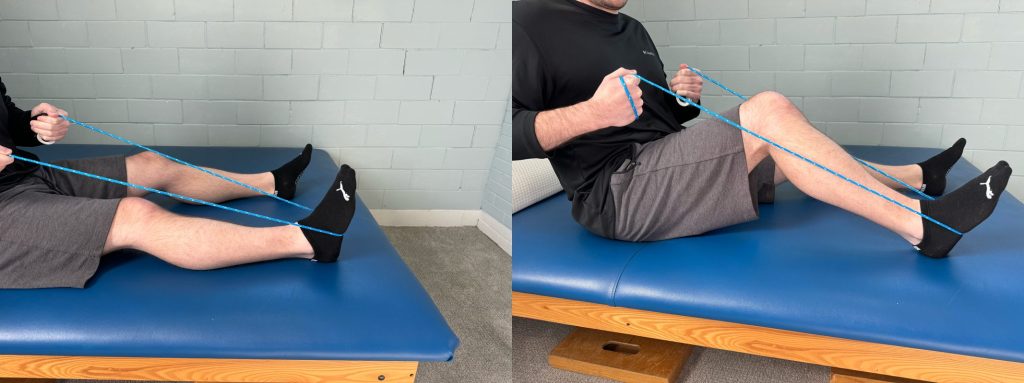
Original exercise photos, a progress tracker, and space for your PT to specify your exercise dose. Includes a separate clinician-directed weighted-stretch option. No purchase or email signup required.
1. What should I arrange before surgery?
Plan the practical details before you need them. Clear walking routes, secure loose cords and rugs, and keep frequently used items within reach. Arrange help with meals, transport, and daily tasks. Ask your team which walking aid and bathroom equipment you need before buying anything.
Bring these questions to your preoperative visit:
- Who do I contact after hours?
- What restrictions will I have, and how will I get into my home?
- When is my first PT appointment?
- What is my medication and clot-prevention plan?
2. What happens during the first days home?
Some people go home on surgery day; others stay longer. Discharge depends on medical readiness, safe mobility, and available support—not a race to leave. AAOS explains same-day joint replacement.
Follow the discharge instructions for wound care, medication, walking, and exercises. Use your prescribed walking aid until your team confirms you can safely progress. Your prescriber manages medication decisions; your PT helps with movement, positioning, exercise, and communicating concerns.
3. What will physical therapy help me work on?
Early visits commonly address bending and straightening the knee, thigh-muscle activation, swelling management, and safe transfers and walking. Later exercises build strength, balance, endurance, and the activities you want to return to. Your starting point and progression should reflect your examination and surgical instructions.
A wall squat or balance-board exercise is not automatically part of an early home routine because it appears on an exercise list. Ask your PT which movements belong in your program now, what dose to use, and what response should prompt an adjustment.
For a patient overview, see APTA’s ChoosePT knee replacement guide.
4. How do I know when to adjust—or call someone?
Some discomfort and swelling can occur during recovery. Follow your team’s instructions for cold therapy, elevation, and compression. If an exercise leaves pain or swelling persistently worse, ask your PT to review the dose rather than forcing more repetitions.
- Seek emergency care: sudden chest pain or shortness of breath.
- Contact your surgical team promptly: new or increasing calf pain/swelling, fever, wound drainage, spreading redness, or pain that is not controlled by the prescribed plan.
These are examples, not an exhaustive list. Follow your discharge contact instructions. See MedlinePlus knee replacement discharge guidance and AAOS recovery guidance.
5. When can I get back to my usual activities?
There is no single date that fits every person, job, or activity. Ask about the specific task: driving, standing through a shift, gardening, or using stairs. Recovery continues over months, and your team should consider your strength, control, symptoms, and the demands of that activity.
For your next appointment, choose one meaningful goal and one question. For example: “I want to manage the stairs to my bedroom. What do I need to demonstrate before doing them independently?”
Take the exercise guide to your next visit
Open or save the free knee-motion PDF → Ask your PT to complete the dose and target fields. The weighted extension stretch is a separate progression for selected patients, not a universal starting exercise.
By Benjamin Harris, DPT · Updated October 26, 2026. Adapted from my earlier knee-rehabilitation draft. General education for primary total knee replacement; your treating team’s instructions take priority.


Leave a Reply