
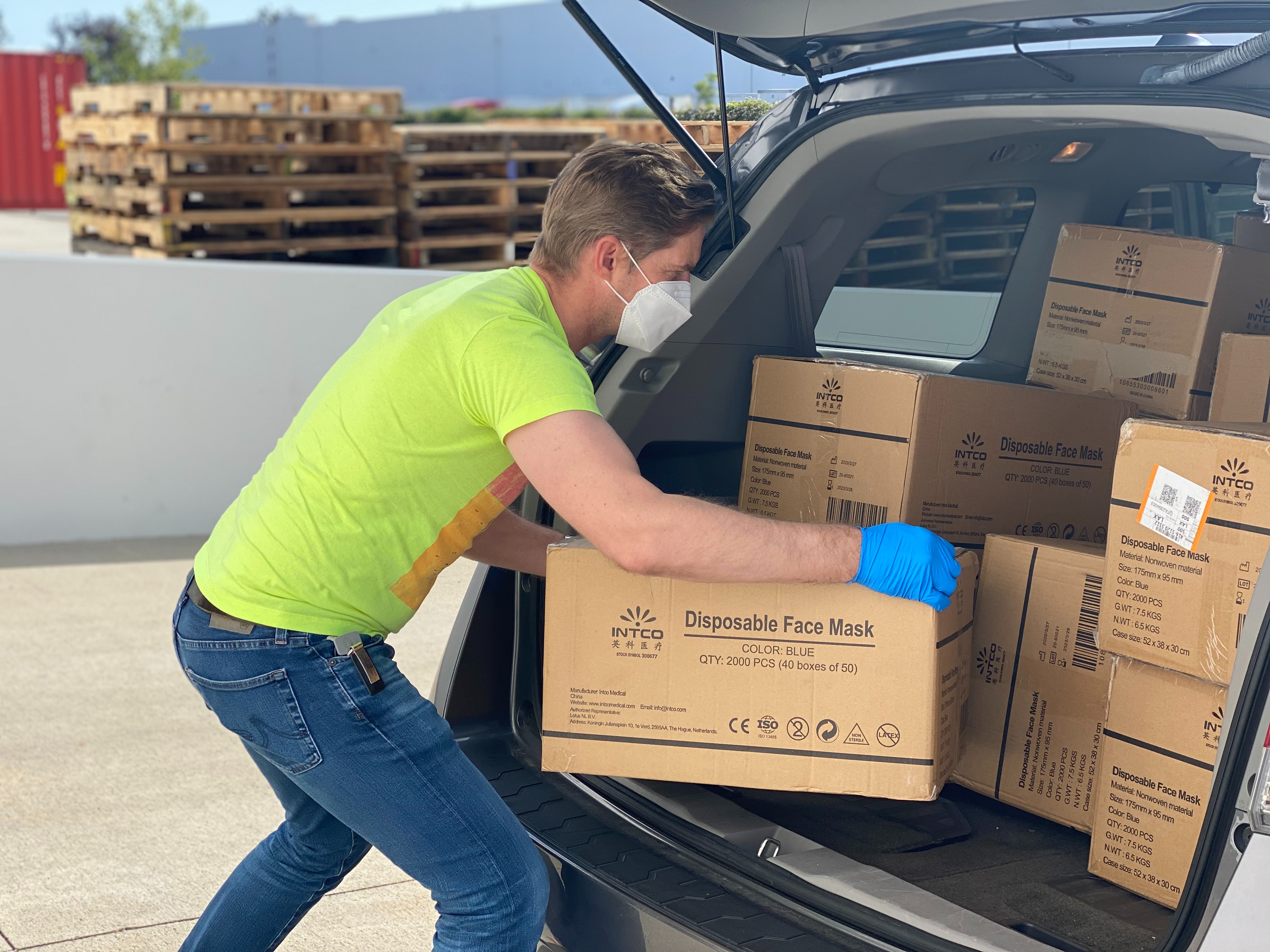
A laundry basket, a grocery box, or an awkward item in the trunk can turn a simple chore into a lifting puzzle. Body mechanics can help you organize the movement, but a checklist cannot guarantee that you will avoid pain or injury.
Free two-page guide: Download 5 Practical Lifting Tips, with an annotated gravity diagram first and a printable tips sheet second. No purchase or email signup required.
1. Make the task manageable
Plan the route and landing spot. Use equipment, divide the load, or get assistance when the task exceeds what you can manage.
2. Reduce the reach
Bring the item close and establish a reliable grip before lifting. Reaching with a load adds to the task’s demands.
3. Give yourself room to move
Use a stable stance and leave space for your feet. There is no single foot position that suits every object.
4. Use a movement you can control
Let your hips and knees contribute. You do not need to force every lift into a deep squat or hold your back rigidly straight.
5. Step when you change direction
Move your feet to turn with the item. Put it down before fine adjustments rather than repositioning it while suspended.
Practical handling guidance: Health and Safety Executive.
Does bending your back mean you are damaging it?
A 2020 systematic review found low-quality evidence that greater lower-back bending during lifting was not a risk factor for low back pain onset or persistence. That does not establish that every load, movement, or lifting task is safe. It does challenge the idea that bending alone explains who develops back pain. Read the review by Saraceni and colleagues.
If a particular task is difficult, bring the actual example to PT: What are you moving? From what height? How often? What happens during and afterward? That gives your therapist something specific to assess instead of working from a generic instruction to use better posture.
Moving a person is a different task
A patient or family member is not a predictable box. Transfers require assessment of the person and situation, suitable equipment, and trained assistance. OSHA emphasizes patient-handling equipment and safe handling programs; body-mechanics advice alone is insufficient. Follow your workplace policy or the transfer plan taught by the treating team. OSHA: Safe Patient Handling.
Keep a simple reminder nearby
Open the free lifting tips and gravity guide PDF →
Use it as a prompt for everyday object handling or a conversation with your PT. Follow existing medical and surgical restrictions. It is not a patient-transfer protocol or an individual lifting prescription.
By Benjamin Harris, DPT · Reviewed October 26, 2026.


Leave a Reply