
Reaching a shelf, putting on a shirt, or washing your hair can become unexpectedly difficult after breast cancer treatment. Shoulder stiffness deserves attention, whether treatment is ongoing or finished. Rehabilitation can help you work toward the activities that matter to you.
Free companion guide: Download the illustrated shoulder movement guide (PDF).
Why the shoulder can feel restricted
Surgery, protective movement habits, pain, and changes in the tissues around the chest and armpit can affect shoulder movement. Radiation can also contribute to stiffness, sometimes after treatment ends. A tight cord under the skin, called axillary web syndrome or cording, may restrict reaching. These problems are not all treated the same way. [1,3,7]
Start with your own surgical instructions
Ask your surgical team which movements are allowed, how high you may raise your arm, and when you can lift or push. Reconstruction, drains, wound healing, and additional procedures can change the plan. Drain removal alone does not mean every exercise is cleared. Follow your team’s instructions over any general guide. [1,2]
What physical therapy adds
A useful assessment connects your treatment history and precautions with your current movement, strength, symptoms, and daily tasks. Choose concrete goals: reaching a cupboard, fastening clothing, or tolerating the arm position needed for radiotherapy. Persistent loss of shoulder movement after surgery or radiation is a reason to seek an individual rehabilitation assessment. You can ask sooner if pain or stiffness is interfering with care or daily life. [6]
Gentle movement is the starting point
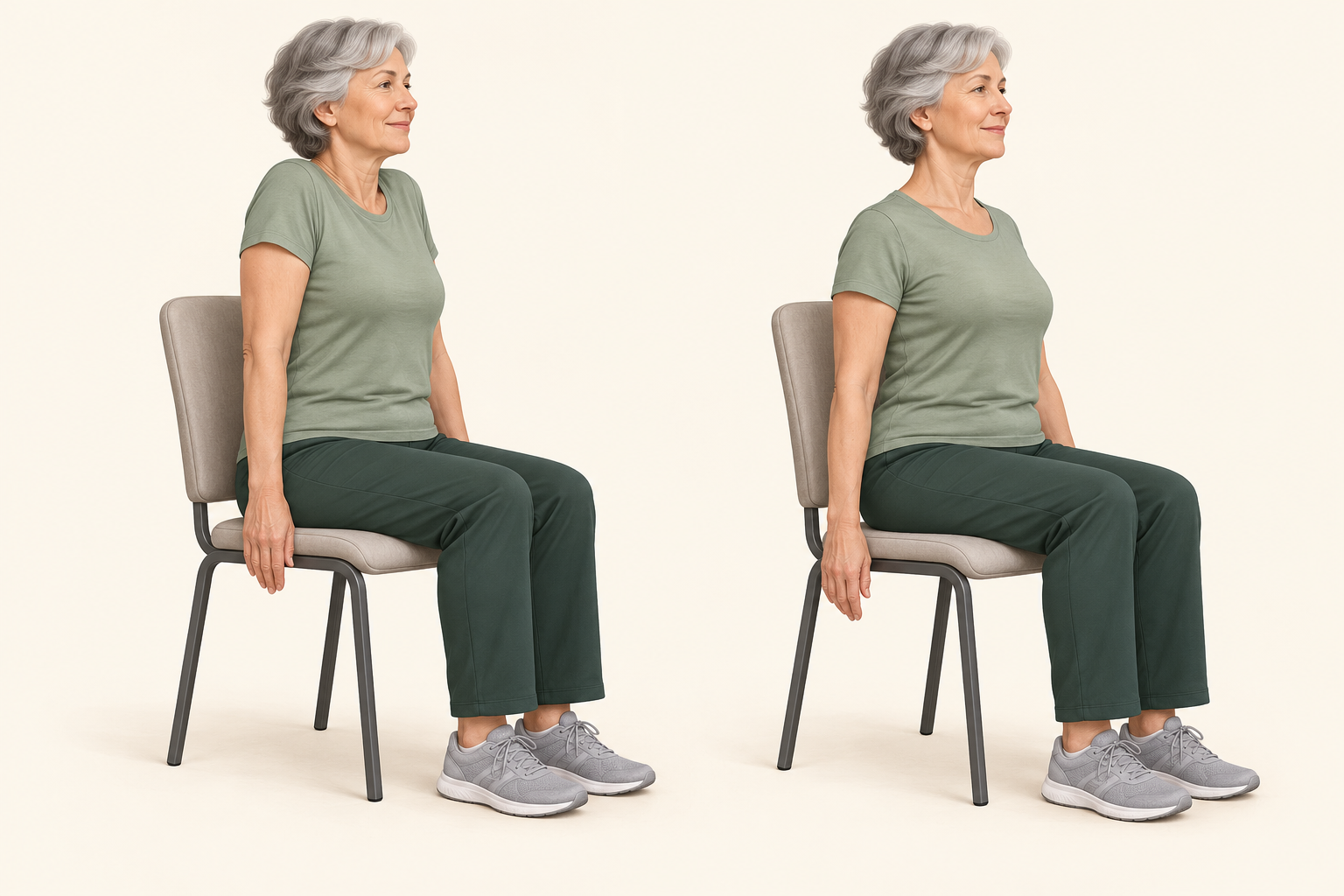
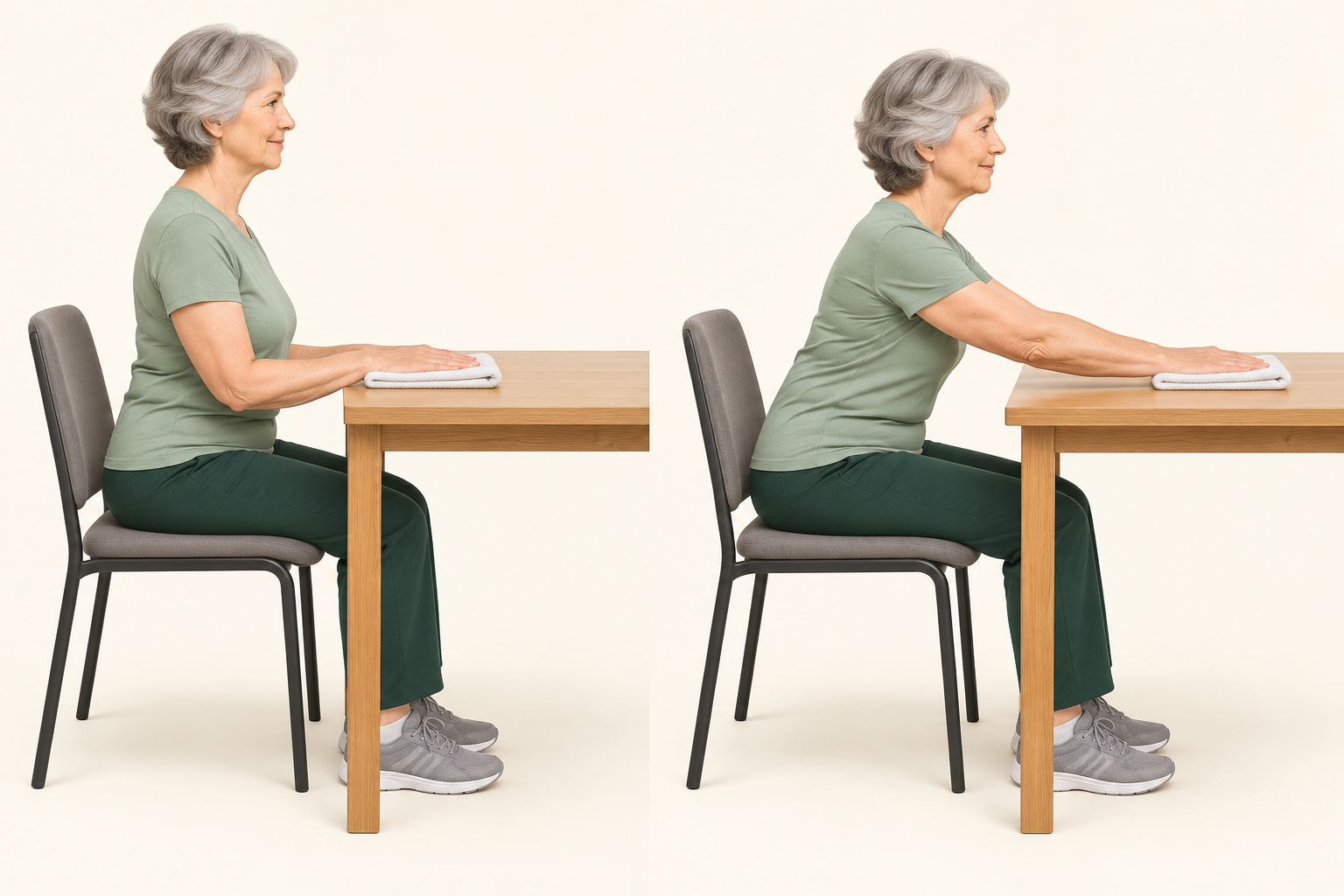
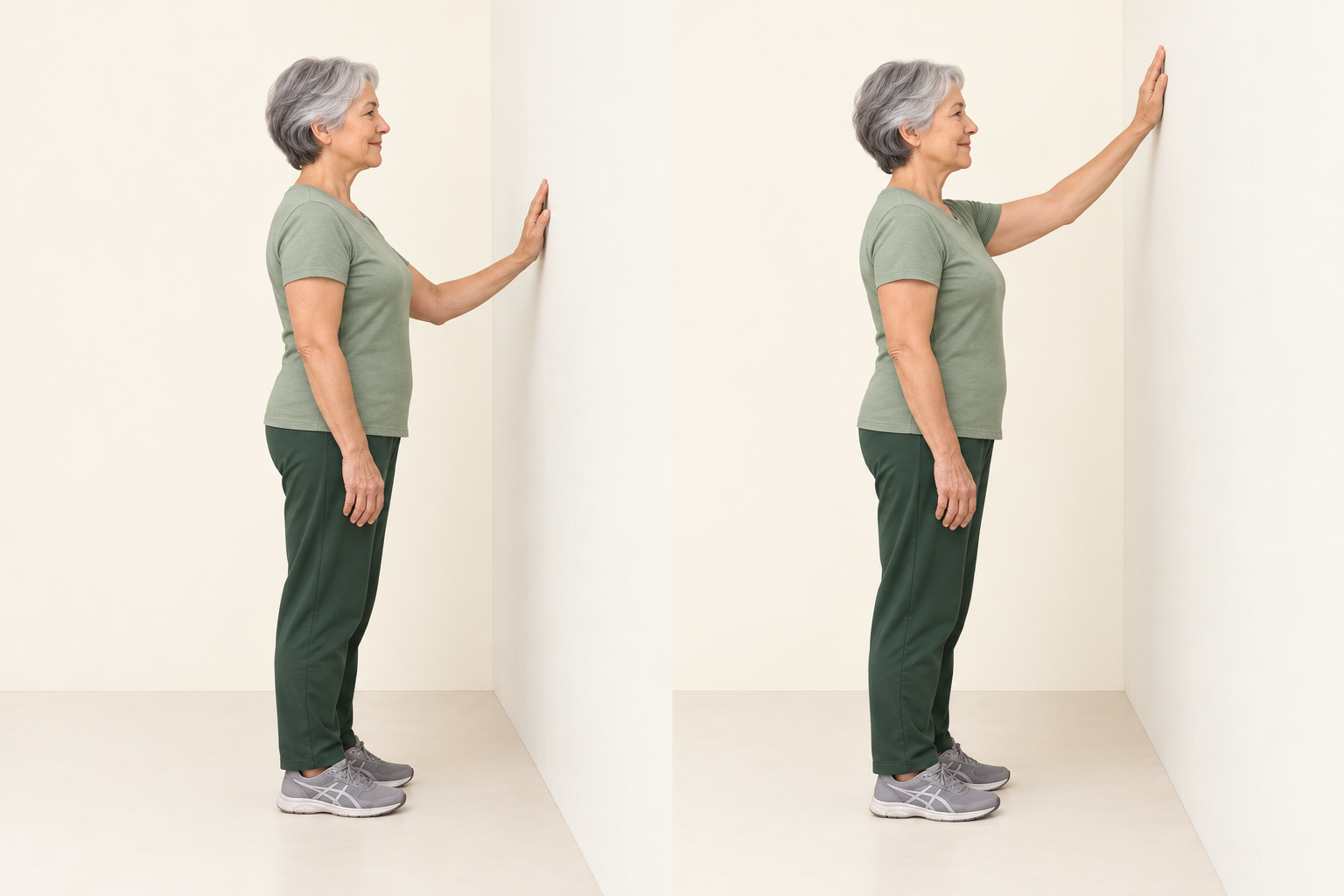
Your clinician may begin with relaxed breathing, hand opening and closing, elbow movement, and small shoulder rolls. After clearance for reaching, supported table slides or a forward wall crawl may be options. These are examples to select with your clinician, not a sequence everyone must complete. The free companion guide linked above shows the positions and includes space to record your allowed movement range. [1,2,4]
How should exercise feel?
Move slowly within your permitted range. A gentle stretch may be acceptable; sharp pain, increasing pain, or forceful pulling at the incision is a reason to stop. If symptoms persist after exercise, the wound changes, or a new fluid pocket develops, contact your care team before restarting. Progress depends on your response and healing, not a deadline. [3]
Build strength when you are ready
Once your team clears resistance exercise, your PT can help you gradually rebuild lifting, carrying, pushing, and pulling. Lymphedema risk does not automatically rule out strength training: supervised, progressive resistance exercise can be appropriate. New swelling needs assessment rather than simply exercising through it. If you have a compression plan, follow your lymphedema clinician’s instructions. [5,8]
Scar care and hands-on treatment
Scar sensitivity and restricted tissue movement may be addressed as part of rehabilitation. Do not begin scar massage until the incision is fully healed and your care team says it is safe. Ask for a demonstration suited to your surgery and skin. Ask your clinician before using heat, massage, or other treatments on the surgical or treated area. [2,9]
When to contact your care team
Report new or increasing swelling, heaviness, or tightness in your hand, arm, breast, or chest. These symptoms can have several causes and should be assessed. Redness, warmth, tenderness, or fever needs prompt medical advice because infection is possible. Seek emergency care for new chest pain, severe shortness of breath, or fainting. [5]
Measure progress in everyday tasks
Write down one activity you want to regain and check it weekly without forcing the movement. Bring your questions and symptom notes to your next visit. Some changes take weeks or months; ongoing restriction is a reason to adjust the plan with your clinician, rather than push harder on your own. [3,6]
Sources and further reading
1. American Cancer Society: Exercises after breast cancer surgery
2. MSK: Exercises after mastectomy or breast reconstruction
3. Breast Cancer Now: Exercises after breast cancer surgery
4. Cancer Council NSW: Arm and shoulder exercises after surgery
5. National Cancer Institute: Lymphedema
6. NICE NG101: Rehabilitation after breast cancer treatment
7. Breast Cancer Now: After breast cancer surgery
8. NCI: Lymphedema, health professional summary
9. NHS: Scars
Reviewed October 26, 2026. Written by Benjamin Harris, DPT. General education only; follow your treating team’s individual instructions.


Leave a Reply