
FROM MY PT SCHOOL NOTES · MUSCULOSKELETAL · CHAPTER 14
Hip Examination: Could the Knee Pain Come From the Hip?
The hip lecture describes a stable, mobile ball-and-socket articulation; the hip lab starts with history, functional tasks and a lumbar screen before selecting special tests.
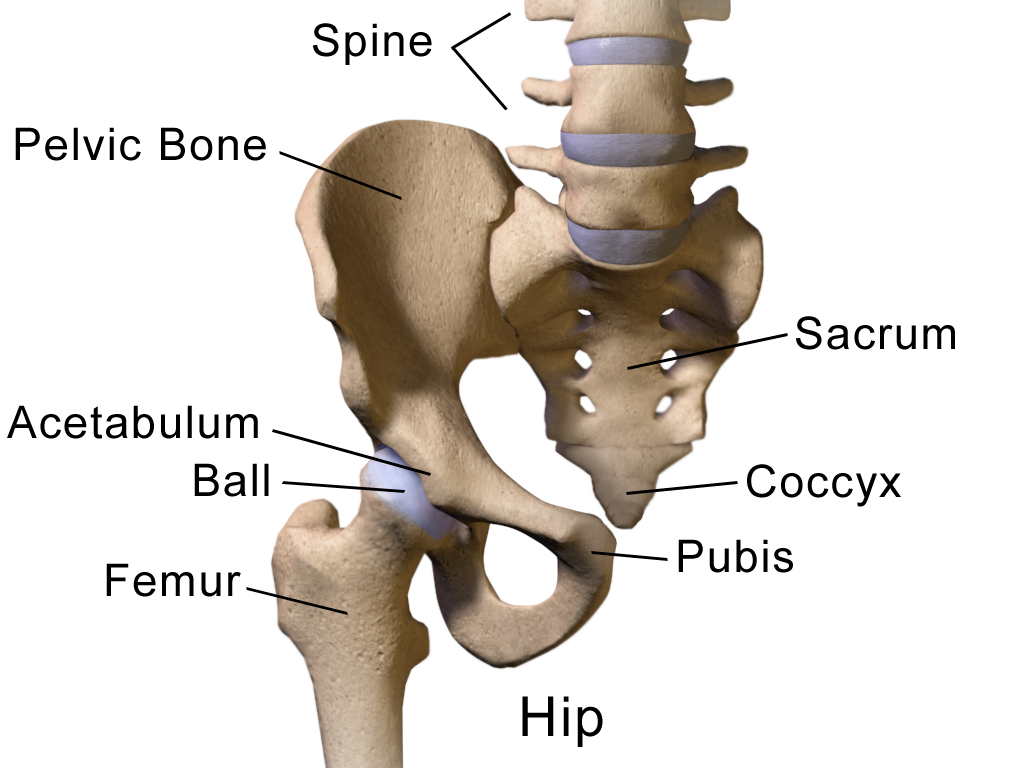
Start with the patient’s actual complaint
Ask about groin, lateral hip, buttock, thigh or knee symptoms, how they respond to walking, steps and rotation, whether there was trauma, and what function has changed. Hip symptoms may overlap with lumbar and knee disorders.
Compare history, movement and function
The lab assesses hip movement quantity, quality and familiar-symptom provocation across standing, supine and other positions. Hip rotation, flexion, gait and loaded tasks may help differentiate possibilities.
Do not diagnose from one special test
Trendelenburg describes single-leg pelvic control, not a unique weak muscle. FADIR, FABER and scour may provoke relevant symptoms without establishing a labral tear, FAI or one precise structure. Compare hip, lumbar and neurologic findings.
When to refer
The hip pathology notes include slipped capital femoral epiphysis. An adolescent with hip, thigh or unexplained knee pain, limping and restricted hip motion needs prompt medical evaluation; do not assume routine patellofemoral pain. Suspected fracture or serious systemic features also change urgency.
Test your clinical reasoning
Knee findings are fairly unremarkable, but passive hip internal rotation reproduces familiar pain. What is the next step?
Broaden the assessment to hip and lumbar findings, gait and the patient’s task. This raises a hip contribution but does not prove a single lesion.
Original class notes and evidence
Hip; Hip Lab; Hip Pathology. 2025 APTA hip OA guideline is newer, separately labeled context.
This lesson is a reorganized personal PT-school study companion. Modern guidelines are labeled separately. It is not a professional diagnosis, patient-specific treatment plan, universal postoperative protocol, or NPTE-pass guarantee.

