
FROM MY PT SCHOOL NOTES · MUSCULOSKELETAL · CHAPTER 16
Knee Examination and Patellofemoral Pain
The knee lectures move from subjective history and basic movement toward testing specific possibilities. For anterior knee pain, loaded tasks often explain more than one static patellar measurement.
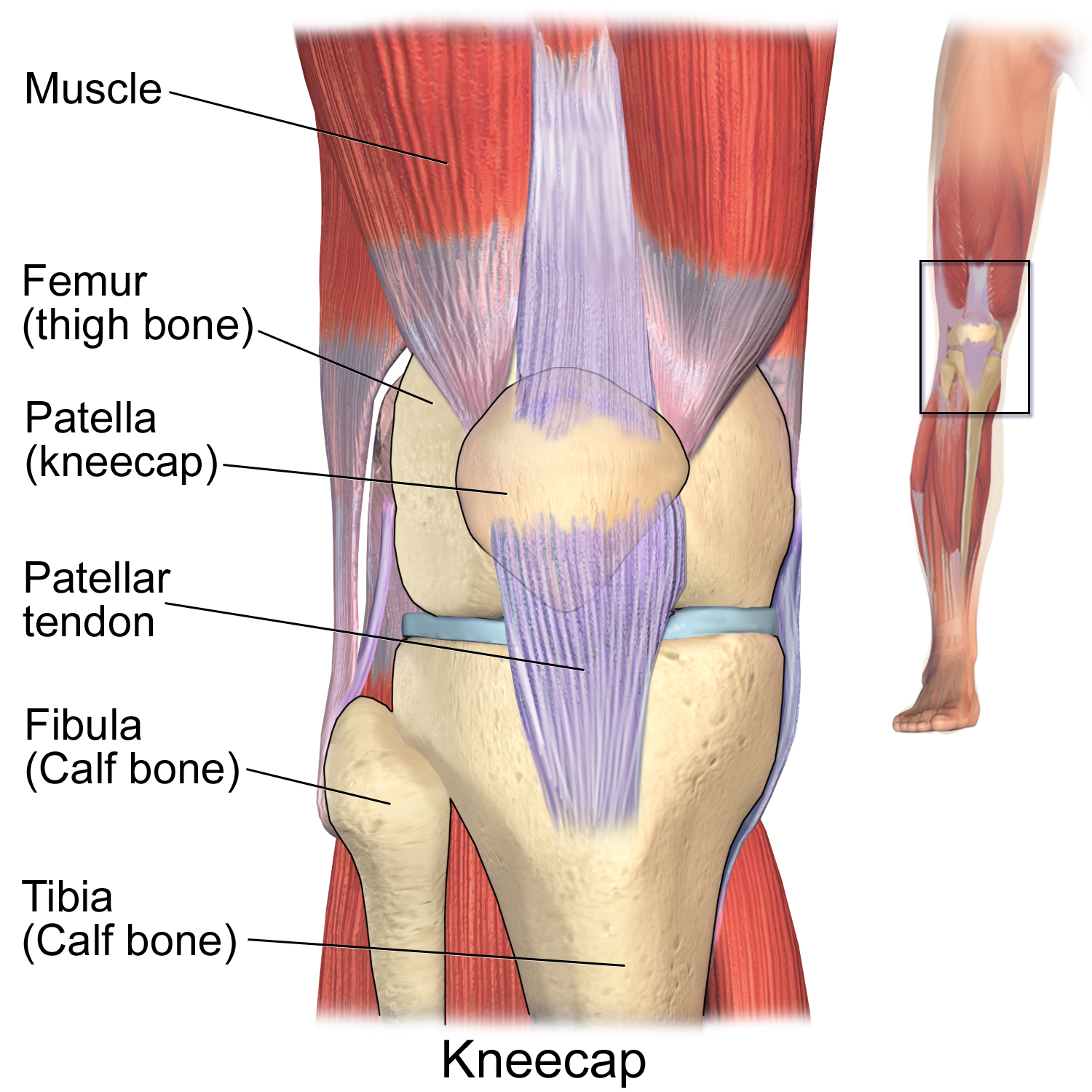
Exam before labels
Ask about symptom location, injury and training changes, effusion, instability, locking and the main problematic task. Observe walking, squatting, steps and knee motion before selected stress tests.
What patellofemoral pain often feels like
Anterior or retropatellar discomfort may occur during squats, stairs, running or prolonged sitting. However, true locking, major trauma, effusion or systemic warning symptoms should not simply be called PFP.
Old versus current explanations
The class seminar heavily discusses patellar tracking, Q-angle, VMO and foot pronation. Those are historical models, not a universal cause. The 2019 JOSPT guideline recommends combined hip- and knee-targeted exercise, patient education and graded activity. Taping can sometimes help in the short term but is not the main treatment.
Measure something that matters
Record a squat, step-down, running or stair task alongside hip/knee capacity and symptom response. Recheck that same task to determine whether exercise is relevant.
Test your clinical reasoning
An athlete develops gradual anterior knee pain during stairs and jumps with no trauma or effusion. Would isolated VMO strengthening be the entire plan?
No. Assess loading history, hip and knee capacity, functional movement and patient goals. Combined hip- and knee-targeted exercise and activity management are more appropriate starting principles.
Original class notes and evidence
Knee Evaluation; Knee Lab; Knee Pathology; Patellofemoral Seminar (third-party lecture used for summary only). 2019 PFP CPG is external.
This lesson is a reorganized personal PT-school study companion. Modern guidelines are labeled separately. It is not a professional diagnosis, patient-specific treatment plan, universal postoperative protocol, or NPTE-pass guarantee.

