
FROM MY PT SCHOOL NOTES · MUSCULOSKELETAL · CHAPTER 18
Meniscus and Cartilage Surgery: Why the Procedure Matters
Meniscal repair, partial meniscectomy and cartilage-restoration procedures may require different mechanical protection and progressions despite all being described as ‘knee surgery.’
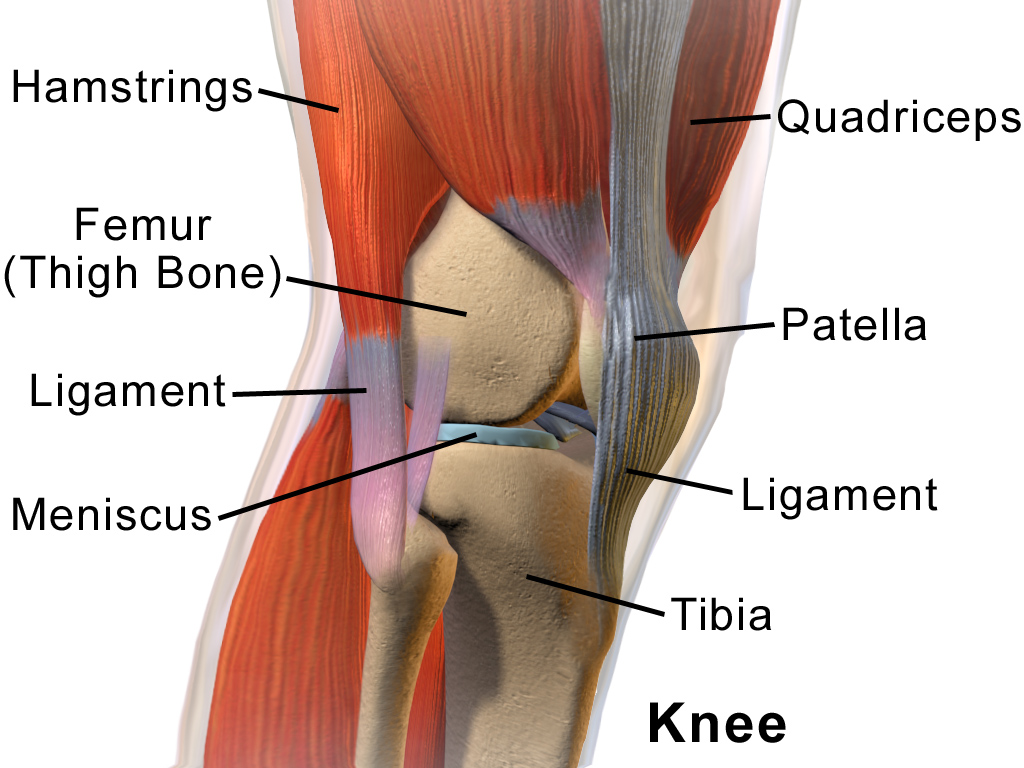
What the original seminars cover
The meniscus lecture describes load distribution, vascularity, tear location and differences between repair, resection and transplantation. The cartilage lecture covers chondroplasty, microfracture, osteochondral grafts and cell-based restoration.
Read the operation before the exercises
Identify meniscus tear pattern and repair stability, cartilage lesion location and surgical technique, any ACL or other associated operation, and explicit weight-bearing, ROM, brace and resisted loading restrictions. Do not borrow a timetable from another patient’s procedure.
Current meniscus consensus
The 2024 EU–US meniscus rehabilitation consensus, published in 2025, recommends criterion-driven progression after meniscectomy and time-plus-criteria progression after repair. Repair of a vertical tear may differ from root, radial, complex or horizontal tears; evidence quality varies and procedure details determine protection.
Watch the clinical response
Monitor permitted ROM, effusion, quad activation, gait, strength and later sport-specific control. Cartilage loading depends on treatment and lesion location, so its progression cannot be inferred from a generic meniscus sheet.
Test your clinical reasoning
One person had a partial meniscectomy; another had a posterior root repair plus ACL reconstruction. Can they follow the same early WB and ROM program?
No. Confirm each repair and combined procedure with surgeon restrictions. Their allowed loading and return-to-impact pathway can be very different.
Original class notes and evidence
Knee Seminar Meniscus Repair; Knee Seminar Post-op Articular Cartilage; Knee Seminar ACL (third-party materials paraphrased only). 2024 EU–US consensus published 2025 as additional evidence.
This lesson is a reorganized personal PT-school study companion. Modern guidelines are labeled separately. It is not a professional diagnosis, patient-specific treatment plan, universal postoperative protocol, or NPTE-pass guarantee.

