
FROM MY PT SCHOOL NOTES · UNIT 1 · CHAPTER 03
When do footwear and foot orthoses actually help?
Foot orthoses are not automatically superior because they are custom made. The clinical question is which support, accommodation or pressure change helps the person’s symptoms and function.
What does a foot orthosis look like?
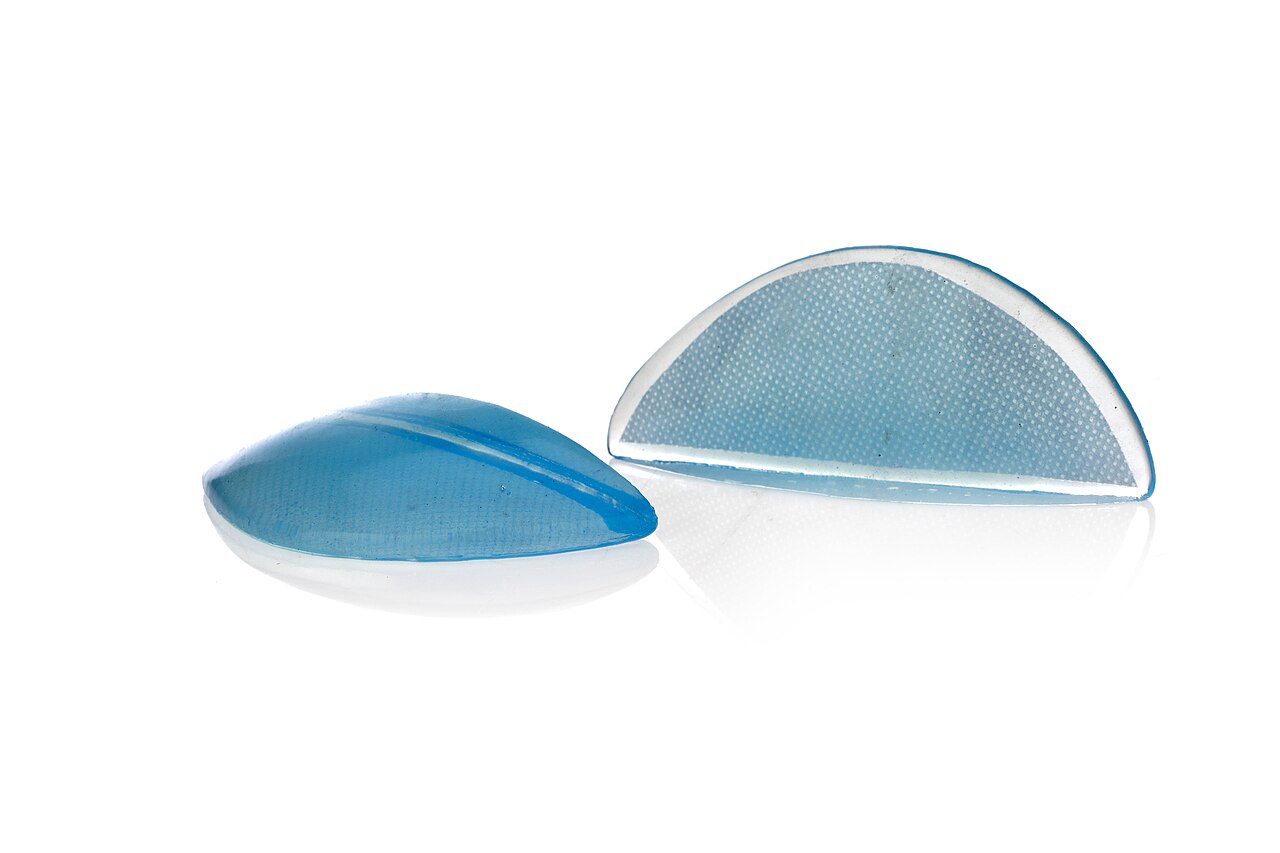
Look for the contoured area under the arch and how the support fits inside the shoe. The photo illustrates one approach—not an automatic recommendation. The full footwear-orthosis combination, symptom response and skin tolerance determine usefulness.
The key concepts
Start with the shoe
Shoe fit, upper and closure, toe-box space, sole flexibility, heel-to-toe geometry and available depth determine whether an insert can work comfortably. Some people need extra depth or accommodation for altered sensation and foot deformity. Evaluate footwear with the actual orthosis in place, then watch walking and check the skin.
The class notes describe heel modifications, shoe lasts, posting and arch materials. Their mechanical purpose remains useful, but individual effects should be tested rather than assumed.
Select between prefabricated and custom
A prefabricated insert may be a reasonable starting point for appropriate individuals. A custom device can accommodate unusual shape, complex pressure redistribution or specific fitting needs, but custom fabrication is not inherently a more effective treatment for every painful foot. Assess fit, cost, ability to obtain the device and whether it improves the task.
The 2023 plantar heel pain clinical practice guideline advises against using foot orthoses alone as short-term treatment and allows them as part of a program including appropriate exercise, loading, education and other care. Do not translate an insert recommendation into a promise of permanent biomechanical correction.
Use a safety-focused follow-up
Look for redness, blisters, new calluses, altered pain, pressure or numbness. People with diabetes-related neuropathy or other loss of protective sensation may need more specialized offloading, skin checks and medical/podiatric collaboration. A general consumer insert is not a substitute for treating an ulcer or severe vascular compromise.
Quick comparison
| Prefabricated insert | Adjustable trial for selected fit and support goals |
| Custom orthosis | More individualized shape or pressure accommodation when indicated |
| Rocker/sole change | Potential change in roll-over or forefoot demand |
| High-risk foot | Specialist pressure protection and skin surveillance |
Clinical reasoning
A runner with plantar heel pain wants expensive custom inserts before trying a strengthening or stretching program. What would you explain?
Reasoning: Foot orthoses can be considered as part of multimodal care, but evidence does not support treating them as a stand-alone short-term fix. Assess the person’s symptoms and loading needs.
Check your understanding
What additional considerations apply when the patient has impaired protective sensation?
Source lecture(s): 3 Foot Orthotics.pdf; 2 Foot Review.pdf. Evidence update: Updated using the 2023 JOSPT heel pain guideline; avoid treating older claims of superior custom inserts as universal.
These are focused lessons drawn from my PT-school notes, with later guidance identified separately. They are not official coursework, device prescriptions or patient-specific treatment protocols.


