
FROM MY PT SCHOOL NOTES · UNIT 3 · CHAPTER 07
How are hand orthoses classified and selected?
A hand orthosis may immobilize, assist or restrict movement to protect tissue, reduce pain or support a functional grasp. The goal and healing stage determine the design.
The key concepts
Name the target, not just the device
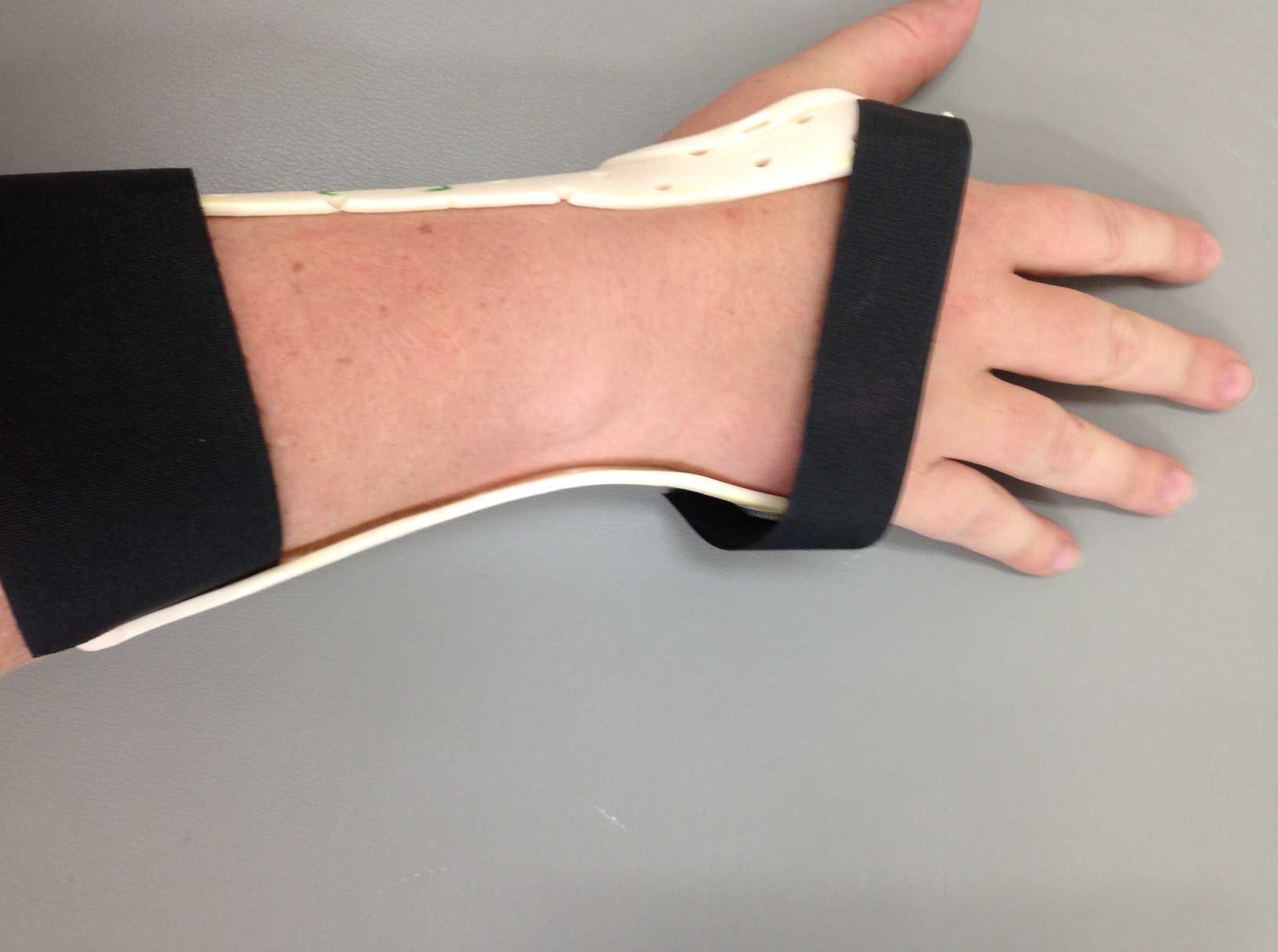
The hand lecture organizes devices by location, direction and purpose. A hand-based splint that restricts a finger joint has different demands than a wrist-hand orthosis spanning several joints. Common goals are immobilization, controlled mobilization and restriction of harmful movement. Static, dynamic, static-progressive and serial-static methods apply forces differently.
Orthosis selection must match the injury, postoperative protocol, tissue healing and required work or self-care. A generic ‘resting hand splint’ is not appropriate for every neurological hand or tendon injury.
Protect tissue while permitting useful activity
Stiffness, material, contact surface, strapping and force direction influence function and comfort. Unwanted pressure at a bony prominence or poorly positioned strap can create pain, numbness and skin problems. The original notes describe first-class lever and 90-degree force principles as simplified design concepts, but proper clinical fabrication needs training.
After tendon repair or complex trauma, use the surgeon and hand-therapy protocol. No stand-alone patient instruction should promise that a particular motion is safe at a fixed postoperative week.
Teach safe use and follow-up
Confirm wear schedule with the prescriber, inspect skin, check edema changes, assess donning/doffing and make sure the patient understands when to stop wearing the orthosis and contact the team. At follow-up, measure both protection of the targeted tissue and ability to complete meaningful activities.
Quick comparison
| Immobilization | Limit motion across the target structure |
| Mobilization | Apply carefully controlled assistance or prolonged tension |
| Restriction | Prevent a specific undesirable movement while permitting others |
| Functional aid | Support positioning or grasp during daily tasks |
Clinical reasoning
A patient with swollen fingers after surgery reports numbness beneath a tight thermoplastic splint. Should they simply wear it longer until it molds to the hand?
Reasoning: No. New numbness and pressure require prompt assessment of fit, neurovascular status, edema and the responsible surgical/hand-therapy plan.
Check your understanding
What would change your decision between a static and dynamic hand orthosis?
Source lecture(s): 7 Hand Orthoses.pdf. Evidence update: Source lecture adapted into independent explanations; original textbook classification figures and surgical protocol illustrations are not copied.
These are focused lessons drawn from my PT-school notes, with later guidance identified separately. They are not official coursework, device prescriptions or patient-specific treatment protocols.


