
FROM MY PT SCHOOL NOTES · MUSCULOSKELETAL · CHAPTER 06
Thoracic Spine, Jaw and Thoracic Outlet: Why Examine Nearby Regions?
The thoracic region links the neck, ribs, shoulder girdle and lumbar spine. Your lectures ask students to interpret how movement contributes to a function rather than simply treating a static postural label.
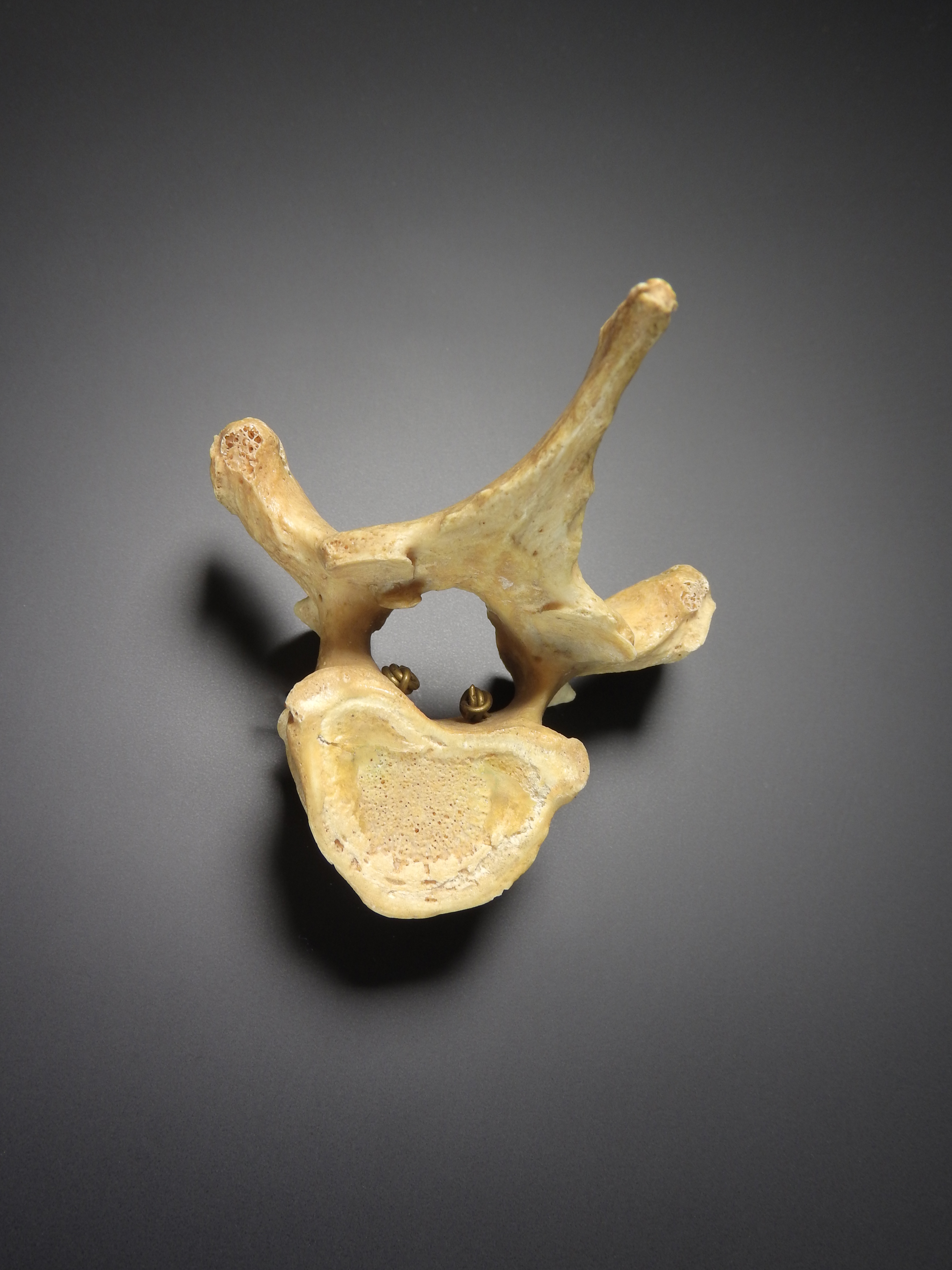
Thoracic and rib examination
Observe the person’s task, then compare thoracic rotation, extension, breathing-related symptoms and shoulder/cervical contributions where indicated. The uploaded Thoracic Lab describes detecting visible hinging or motion asymmetry, but that finding does not prove a rib is anatomically ‘out of place’.
The thoracic-outlet overlap
The TOS Lab lists Adson, Roos, costoclavicular, first-rib spring and other maneuvers. These are historical provocative tests, not a stand-alone diagnosis. Compare neurologic features with cervical root or peripheral nerve problems; consider vascular warning signs such as marked arm swelling, color or temperature change.
Jaw complaints deserve their own history
Jaw pain or locking during chewing, painful clicking and head/neck symptoms can warrant TMJ/orofacial assessment. Painless clicking is often not a disorder by itself. The uploaded TMJ ROM handout offers no extractable measurements beyond the heading, so we are not presenting unverified ROM norms.
A key lecture-era limitation
Outside context: NIH/NIDCR emphasizes history and exam for temporomandibular disorders, and notes that painless joint sounds do not necessarily require treatment.
External guidance and verification (separate from original notes)
Try a clinical question
A person struggles to look over their shoulder while driving. Does one stiff thoracic segment establish the cause?
No. Observe the driving-like turning task and compare thoracic, neck and shoulder contributions, symptom behavior and relevant neurologic/medical features before selecting a targeted intervention.
Original notes and scope
Thoracic Spine; Thoracic Lab; TOS Lab; TMJ ROM (title only); the anatomy folder includes TMJ and mastication references.
My PT-school class notes, independently reorganized for learning. External evidence is identified separately. This is not an official course, validated diagnostic algorithm, individualized clinical protocol or NPTE guarantee.

