
FROM MY PT SCHOOL NOTES · MUSCULOSKELETAL · CHAPTER 08
SIJ and Pelvic Load Transfer: What Can the Tests Tell You?
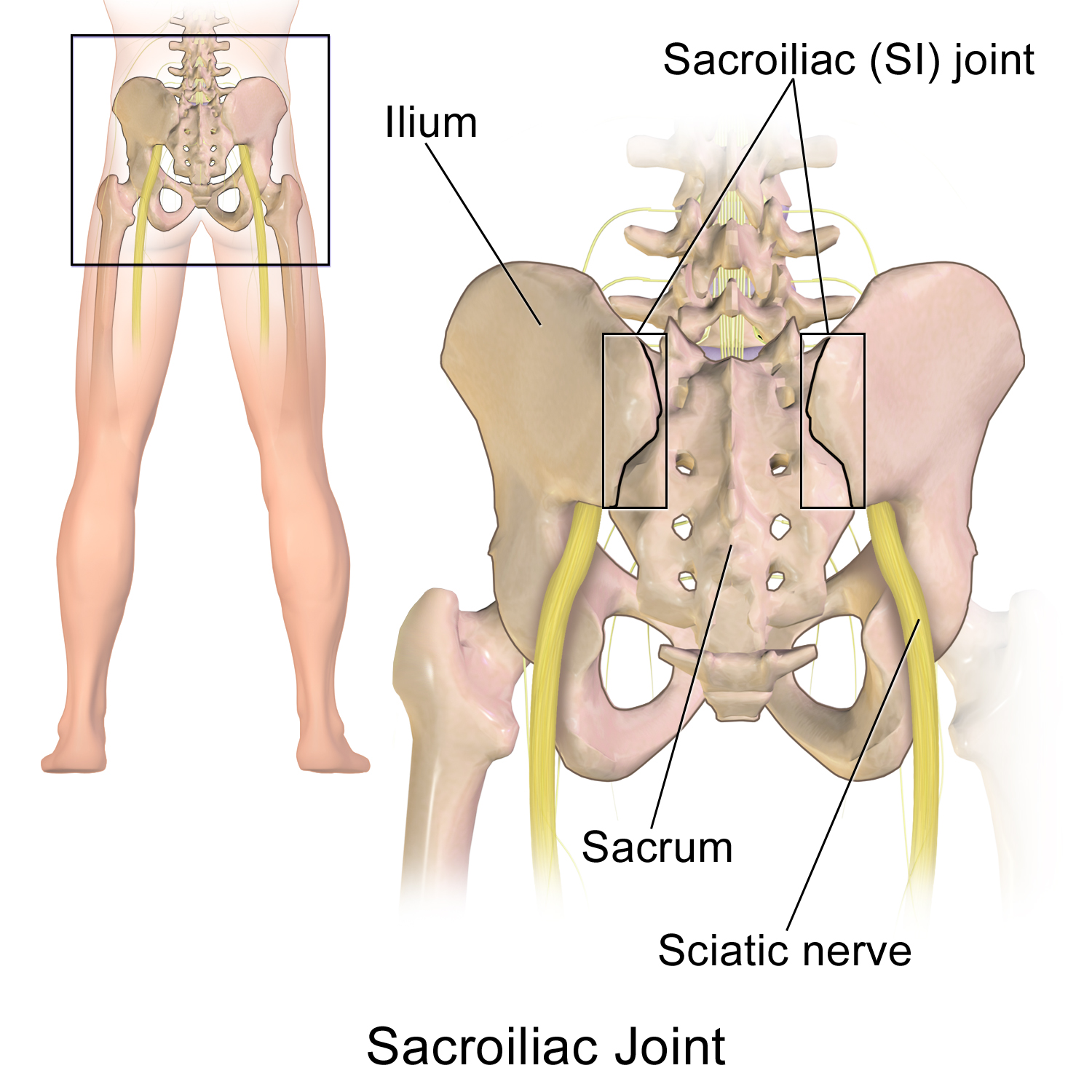
Your SIJ lecture describes a stable articulation that transfers load between the spine and lower extremities, but it also emphasizes that diagnosing SIJ pain accurately is challenging.
Distinguish symptom reproduction from positional claims
The SIJ Lab lists thigh thrust, distraction, compression, Gaenslen, sacral thrust and FABER provocation tests. It also lists Gillet, seated flexion and supine-to-sit as movement/position tests. These answer different questions, and neither alone confirms an exact pelvic rotation or unique tissue source.
A positive test count is not a diagnosis
The old lab says ‘3 of 5’ positive tests identify SIJ pain. More recent research cautions that provocative test groups may be more useful when negative than positive. They do not reliably distinguish joint-surface pain from dorsal ligament pain.
Think in activities and overlapping regions
Ask what hurts during walking, rolling, stairs, sitting or single-leg loading; compare hip and lumbar symptoms, possible neurologic features, relevant medical history and prior surgery. Functional change matters more than an assumed millimeter-scale pelvic adjustment.
A key lecture-era limitation
Additional evidence: the 2025 international SIJ complex guideline describes lower specificity for positive physical examination clusters and the need for careful differential assessment.
External guidance and verification (separate from original notes)
Try a clinical question
Two SIJ provocation tests reproduce buttock symptoms, but hip rotation is also painful. Is this sufficient for an SIJ diagnosis?
No. Examine lumbar and hip contributions, systemic/trauma history and the patient’s functional task. A positive provocation cluster may inform a hypothesis, not identify one tissue with certainty.
Original notes and scope
Sacroiliac Joint; SIJ Lab; Lumbar Spine Lab; Hip Lab. Wikimedia illustration credit as noted above.
My PT-school class notes, independently reorganized for learning. External evidence is identified separately. This is not an official course, validated diagnostic algorithm, individualized clinical protocol or NPTE guarantee.
← Previous · Spine/Pelvic Unit
Continue: Next unit: Shoulder, Elbow, Wrist & Hand

